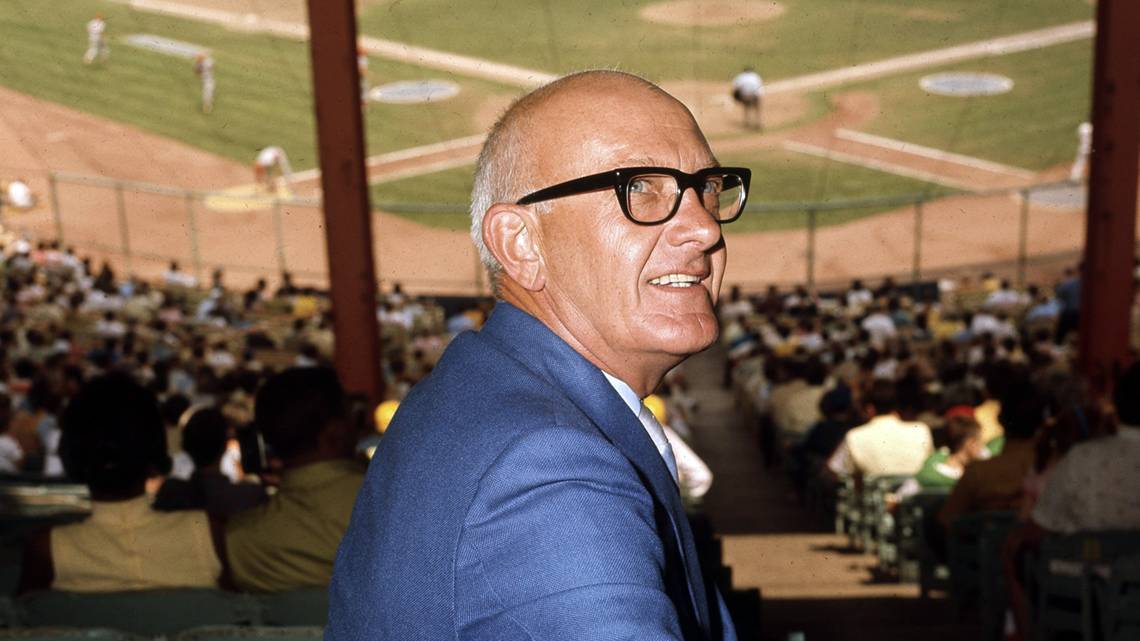
The Foundation’s 60-year institutional history began long before “the cloud,” which means for decades much of the Foundation’s records, artifacts, and storytelling were archived across physical boxes, associate memories, and several evolutions of digital files. To honor the Foundation’s diamond anniversary, the Research, Learning, and Evaluation team led the “Legacy Project: 1966-2026 Unlocking Six Decades of Knowledge, Stories, and Insights” to create a single, centralized digital archive of artifacts to improve accessibility and preservation for learning and decision-making.
Commissioned by Chief Research, Learning, and Evaluation (RLE) Officer Dr. Yvonne Owens Ferguson, countless archived boxes were evaluated and digitized. Led by Derek Ozkal, senior officer, strategic initiatives, RLE, and supported by the working team, 46 Foundation associates volunteered their time to the effort. Tens of thousands of pages of artifacts were converted into a secure, AI-powered, searchable digital archive. Verenice Chavoya-Perez, senior evaluation and learning officer, played a leading role in the oral history component, conducting interviews with long-tenured associates and alumni to capture personal stories and reflections that complement the digitized artifacts.
Like the Foundation’s legacy, this collection will continue to grow and evolve. Images, stories, knowledge, and insights are available for everyone to explore on an online legacy platform. Through a timeline beginning with the Foundation’s establishment in 1966 to how it was operationalized in the mid-1980s to more recent times, visitors can see Mr. Kauffman’s vision for the Foundation put into practice. By advancing education, entrepreneurship, and civic vitality in Kansas City, the Foundation would act not a distant grant maker, but as a hands-on laboratory for ideas Mr. K believed could change lives.
Across six decades, the Foundation has cycled through phases of innovation, consolidation, national expansion, and renewed local focus, holding to hallmarks such as operating programs rather than writing checks alone, investing in rigorous evaluation, and treating Kansas City as a proving ground for ideas that might later scale.
Taken together, these efforts form a throughline: use evidence, collaboration, and entrepreneurial thinking to give more people a fair shot at opportunity. It started as a simple but ambitious idea to help people become “self-sufficient, productive citizens.” Today, we remain dedicated to advancing equitable opportunities, spurring economic growth, and creating a model for the country.