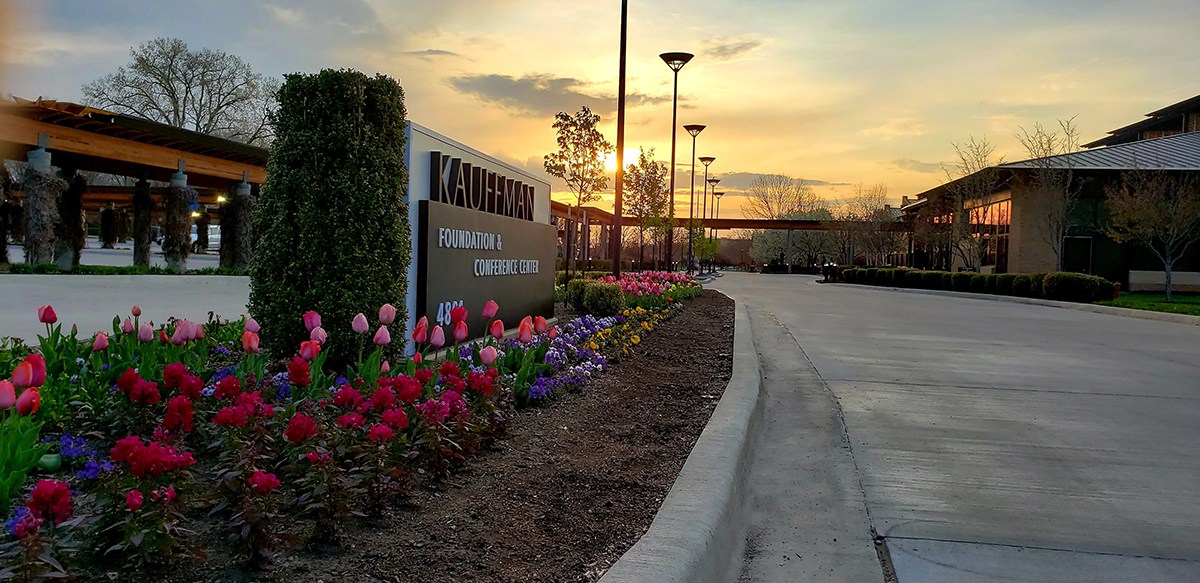
By the mid-1990s, the Ewing Marion Kauffman Foundation, with a significantly larger endowment, expanded its local grantmaking under a guiding vision of “self-sufficient families and healthy communities.” During this period, under President and CEO Lou Smith, the Foundation moved to its permanent home at 4801 Rockhill Road, developed Kauffman Legacy Park, and invested in major civic and cultural institutions across the city. Together, those investments reflected a broader view of how education, entrepreneurship, and healthy communities could be supported through the institutions and places that help shape civic life. Support for key cultural and civic institutions in Kansas City were strategic investments in long-term financial stability, employment, and capacity for impact.
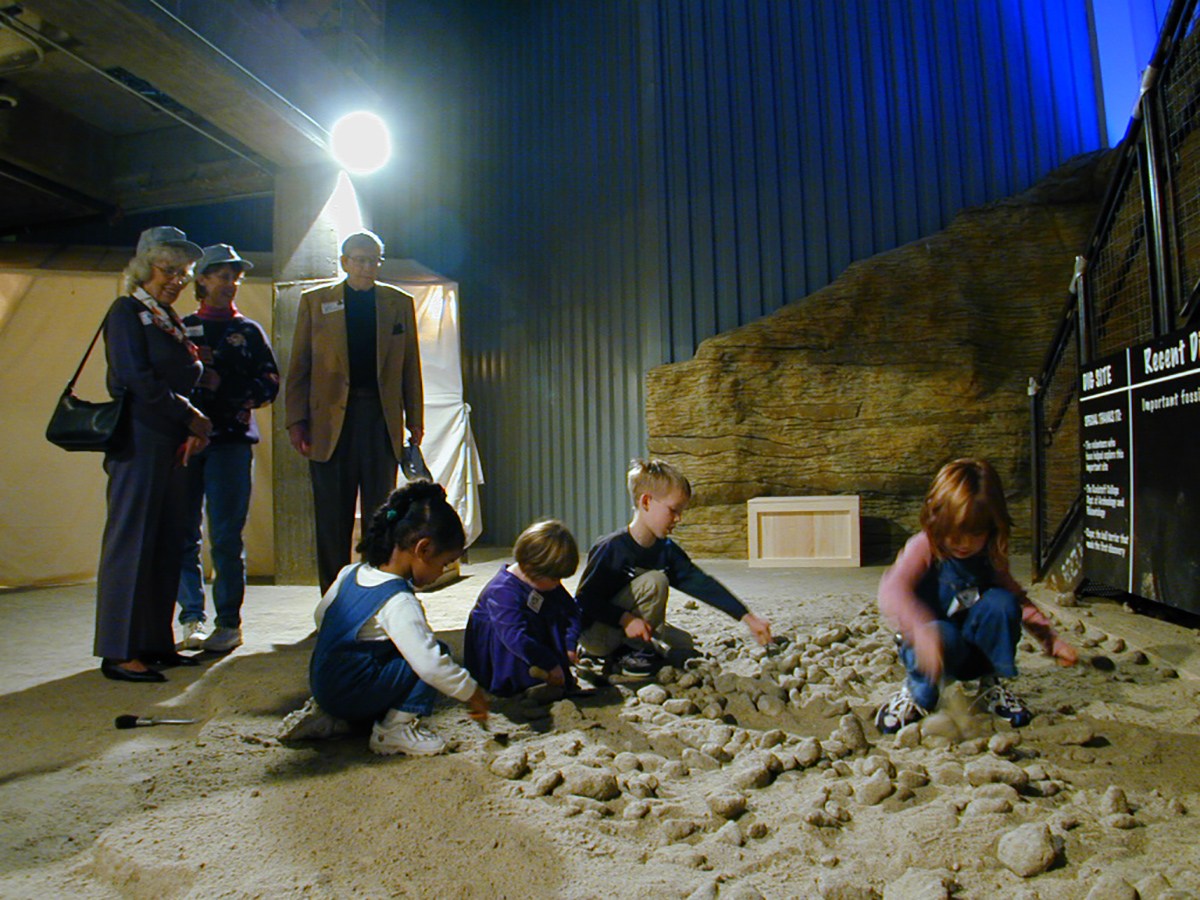
Science City at Union Station was one of the most visible examples. As Kansas City worked to restore and reinvent Union Station in the 1990s, the Foundation emerged as one of Science City’s most significant early supporters. It initially committed $25 million to Science City projects, an amount matched by the Hall Family Foundation, with additional grants following. Smith said that the Foundation deliberately funded Science City’s exhibits rather than the capital renovation of Union Station itself, reflecting the educational purpose behind the investment: helping people better understand science and technology through hands-on learning. Science City opened in 1999 as a centerpiece of Union Station’s reopening. Today, it encompasses nearly 100,000 square feet of indoor and outdoor experiences, more than 300 interactive exhibits, and welcomes more than 200,000 visitors each year.
The Kauffman Foundation provided early support for the Negro Leagues Baseball Museum. Established in 1990 by Kansas City’s own Buck O’Neil – Negro League first baseman and manager, first African American coach in Major League Baseball, scout, and member of the Major League Baseball Hall of Fame – it began in a one-room office before moving into its permanent home in the Historic 18th & Vine District in 1997.
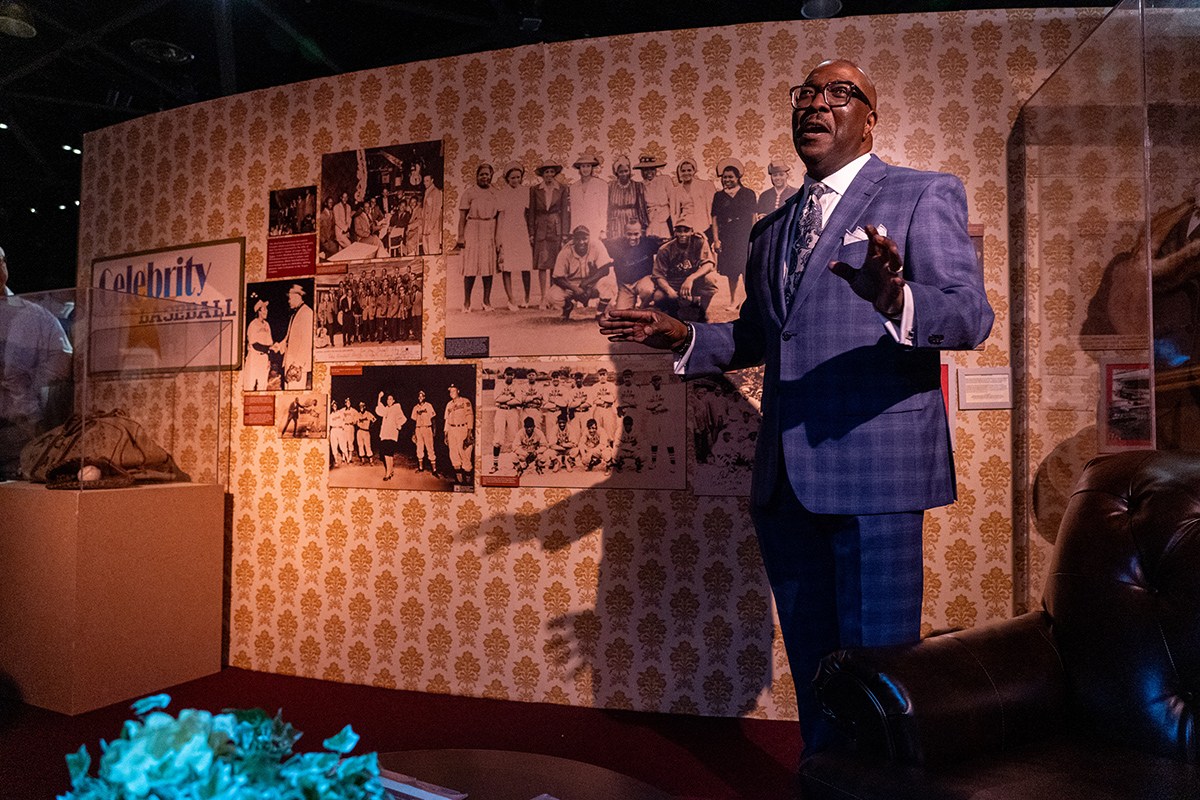
The Foundation invested a $500,000 grant that Smith recalled as a pivotal vote of confidence at a time when the museum and redevelopment of 18th & Vine had not yet attracted widespread support. He described the grant as a catalyst that signaled to other community leaders and funders that the institution was worth getting behind. For the Foundation, the investment also connected Mr. Kauffman’s love of baseball with a larger story about inclusion, economic opportunity, and the history of Kansas City’s Black community. The museum has now welcomed more than two million visitors, was designated “America’s National Negro Leagues Baseball Museum” by Congress in 2006, and is pursuing a major expansion with new collections, exhibits, educational programming, and research resources.
The Foundation established its permanent home in collaboration with the Missouri Department of Conservation to create the Anita B. Gorman Conservation Discovery Center within Kauffman Legacy Park, bringing nature and environmental education into the heart of the city. In 2005, the center was renamed for Anita B. Gorman, Missouri’s first female conservation commissioner and a leading advocate for urban conservation. Today, the Anita B. Gorman Conservation Discovery Center encompasses nearly 10 acres with trails, native habitats, indoor exhibits, and free nature programming, while Legacy Park remains an urban greenspace open to the public.