When the Ewing Marion Kauffman Foundation launched the Kauffman Center for Entrepreneurial Leadership (KCEL) in 1992, it made an early commitment to the idea that entrepreneurship could be taught. At the heart of the effort was a belief that the ability to start a business was not simply an instinct or talent possessed by a select few, but something that could be learned and developed.
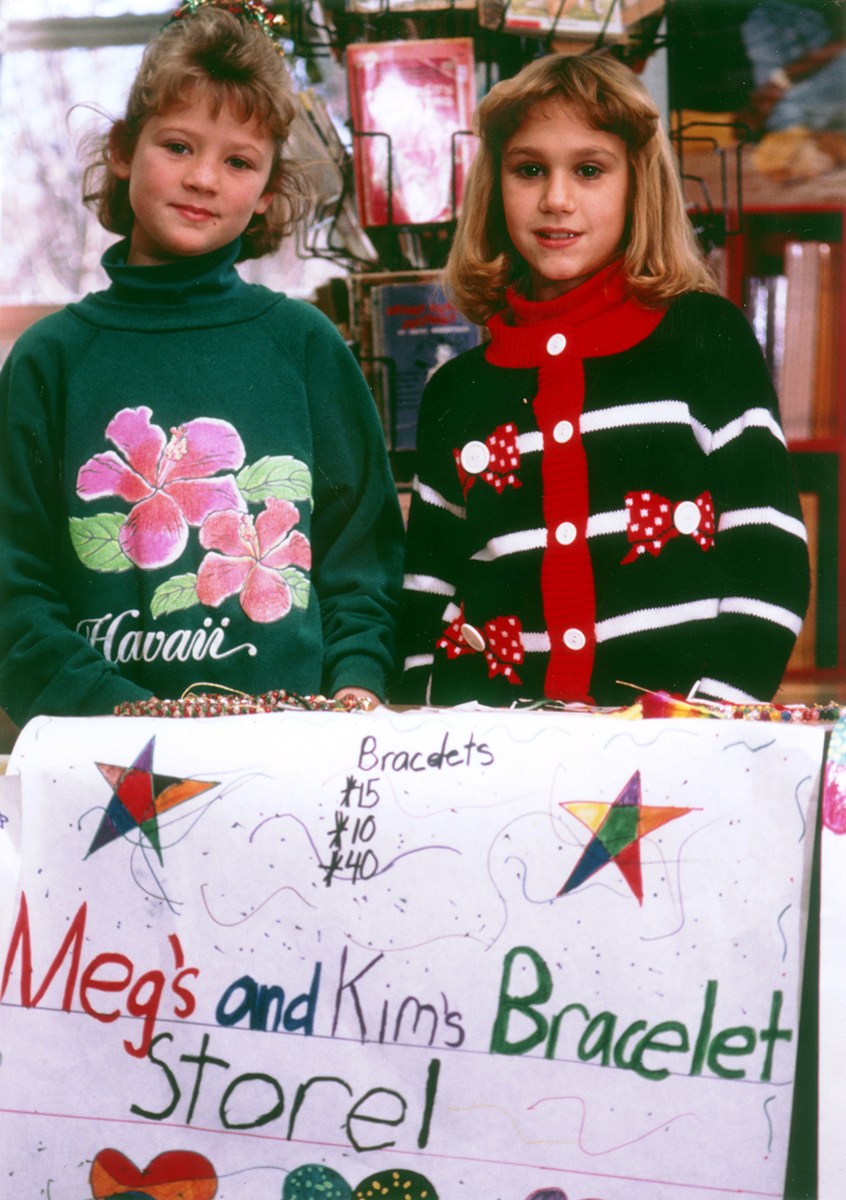
For the Foundation, entrepreneurship represented more than business creation; it was a pathway to economic mobility. Access to entrepreneurship education, resources, and connections can unlock the economic potential of individuals, communities, and local economies alike.
Through Foundation programs, KCEL connected with educators, researchers, nonprofit organizations and schools across the country to introduce entrepreneurial thinking to students long before they entered the workforce. The Foundation developed multiple initiatives that allowed young people to experience entrepreneurship at different ages and stages of their education.
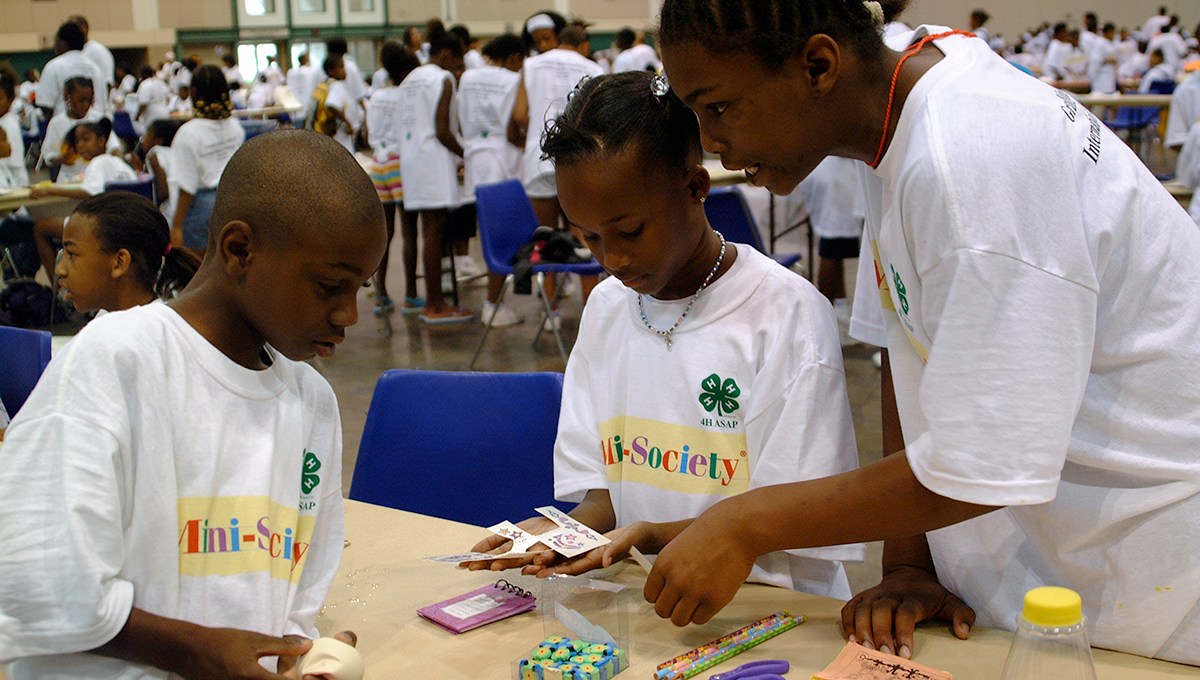
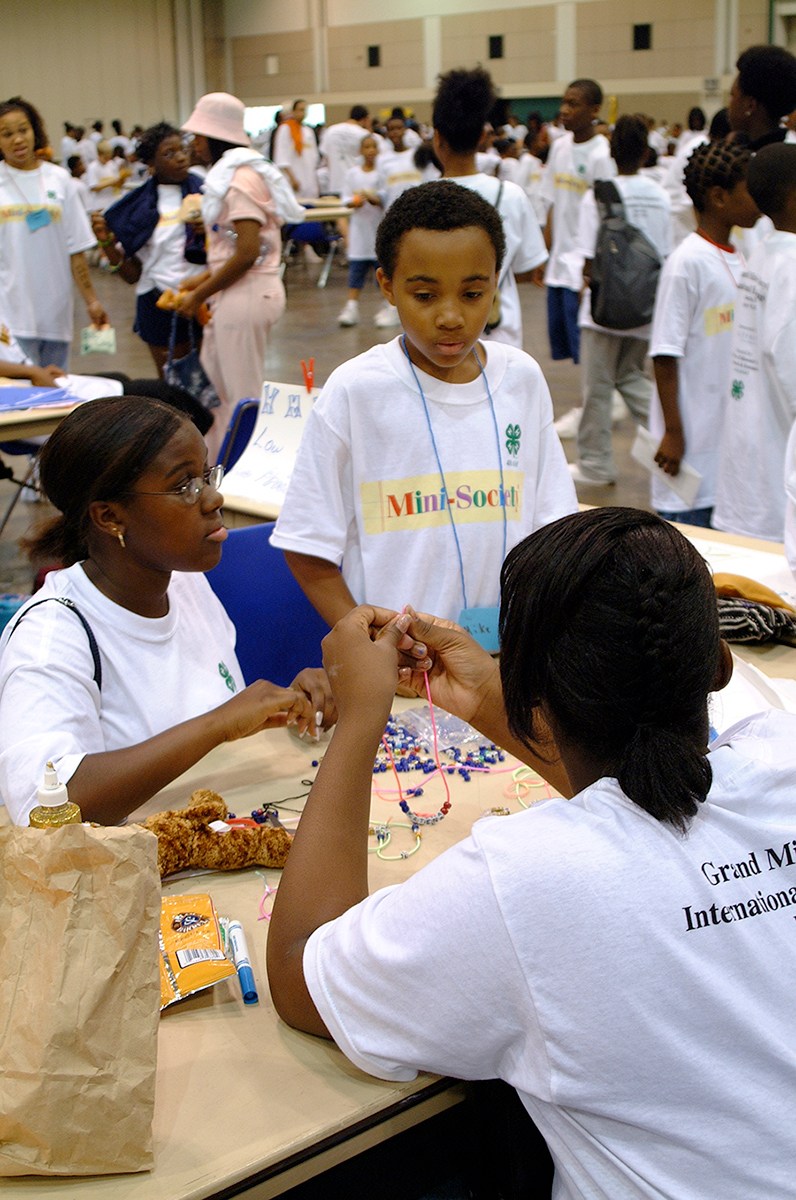
Elementary students stepped into the role of entrepreneurs through MiniSociety, an experience-based program utilized in more than 40 states that transformed classrooms into working economies. Teens explored key entrepreneurship concepts while part of The New Youth Entrepreneur (YESS!), a 12-module curriculum designed to build their understanding of entrepreneurship. The E in Me – The Entrepreneur in You used multimedia lessons to bring entrepreneurial thinking into high school classrooms.
Together, the programs reflected an idea larger than curriculum development: exposing young people to entrepreneurial learning early in life could influence how they approached their futures.
The work also reflected the Foundation’s growing interest in the intersection of education and entrepreneurship. Former Kauffman Foundation Vice President Susan Wally recalled that associates often asked, “Where’s the Venn diagram between education and entrepreneurship?”
Today, the Foundation’s Real World Learning program works with 34 school districts throughout Kansas City’s six-county metro to ensure all students graduate with at least one industry-valued experience or Market Value Asset, which includes work experience, college credit, industry credentials, and entrepreneurship.
More than three decades later, many of the ideas that inspired KCEL remain visible in the Foundation’s work. We believe when students access entrepreneurial experience, they are better equipped to navigate their journey to employment, and we champion efforts to support aspiring, early stage, and established business owners to connect with peer networks, startup training, tools, and resources, to improve conditions for people to shape their futures.